What are ADA Braille Signs?

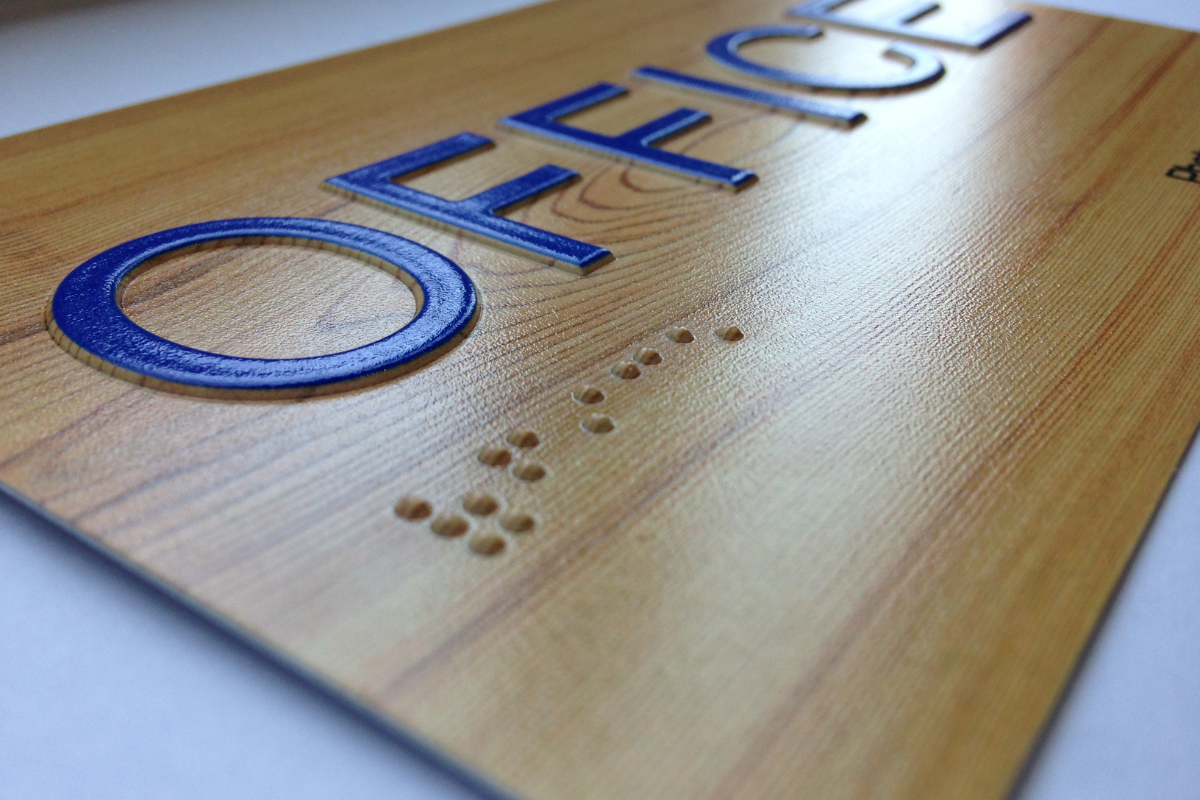
ADA Braille signs are tactile signs designed to assist visually impaired people by providing essential information in a format they can read through touch. These signs use raised lettering and Grade 2 Braille—a standardized system of raised dots—to ensure usability. Braille signs are required in public spaces to help individuals navigate and identify rooms, facilities, and exits independently.
The design of ADA Braille signs must adhere to strict regulations to ensure accessibility for all users. Tactile lettering must be easy to read by touch, with specific size and spacing requirements to enhance legibility. Signs also need to include visual elements that are high contrast to accommodate individuals with partial vision.
Incorporating Braille on signs not only fulfills legal requirements but also demonstrates a commitment to inclusivity. These signs are more than just compliance tools; they empower people with visual impairments to navigate spaces confidently and independently.
Who Needs to Comply with ADA Braille Sign Requirements?
Any business or organization that serves the public must comply with ADA Braille sign requirements. This includes retail stores, restaurants, hotels, schools, medical facilities, and government buildings. Essentially, if your space qualifies as a "public accommodation," you are required to ensure compliance.
Compliance is not limited to new constructions. Existing buildings undergoing renovations must also meet ADA standards. Businesses operating in spaces considered accessible to the public must evaluate their signage to ensure it aligns with these guidelines, regardless of the building’s age.
Failure to provide ADA-compliant signage can result in legal penalties, including significant fines and lawsuits. Beyond the legal implications, non-compliance creates barriers for people with disabilities, excluding them from accessing your services. Demonstrating a commitment to inclusivity through compliant signage can improve your reputation and foster trust with your customers.
What Are the General Guidelines for Braille Signs?
ADA Braille signs must follow several specific guidelines to ensure they are functional and accessible. For example, signs must use non-glare backgrounds and high-contrast colors, such as light lettering on a dark background or vice versa. These features enhance visibility for individuals with partial sight.
Tactile lettering should use a sans-serif font, ensuring it is simple and easy to read by touch. Raised characters must adhere to specific height and spacing standards, making them legible to individuals who rely on tactile reading. Additionally, Grade 2 Braille is required to save space and provide concise information.
These guidelines are not merely suggestions—they are essential for creating signage that serves all individuals. Adhering to these standards ensures that your business accommodates everyone.
Where Should Braille Signs Be Installed?
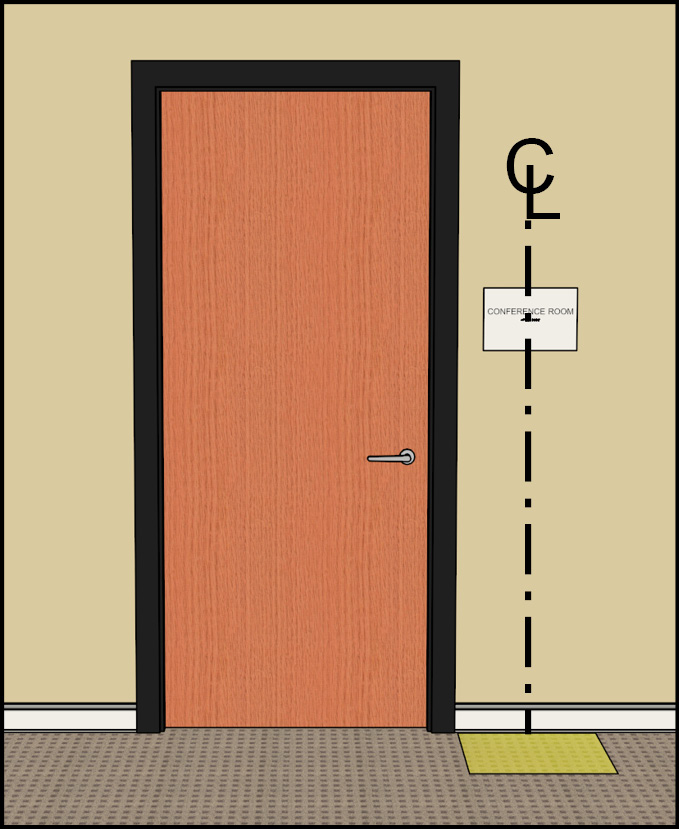
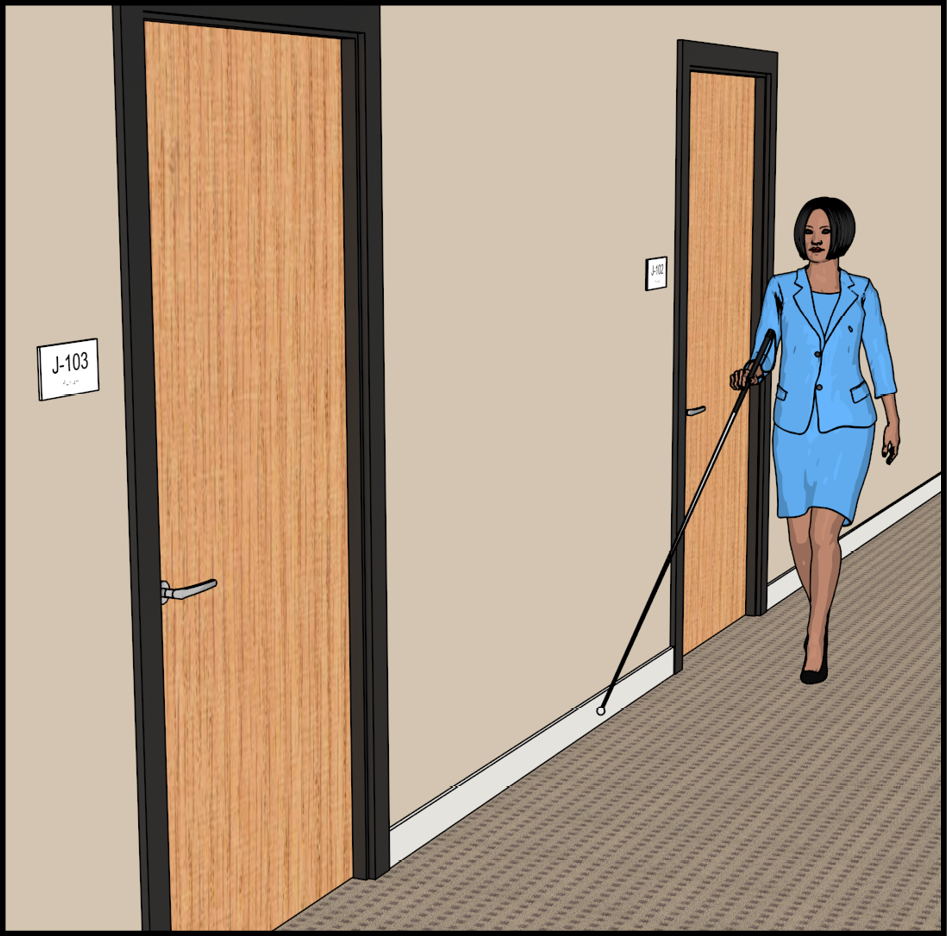
ADA Braille signs must be consistently placed to make navigation easier for people with visual impairments. Common locations include the latch side of doorways, where signs are easy to locate by touch. Signs must also be installed within a height range of 48 to 60 inches from the floor to accommodate individuals in wheelchairs. See ADA Braille Sign Height Requirements.
Proper placement near key areas such as elevators, restrooms, stairways, and exits ensures that individuals can navigate spaces with confidence. Signs should be positioned to avoid obstructions and ensure clear access for users who rely on touch.
Incorrect placement can hinder accessibility and result in non-compliance. By following ADA guidelines for sign placement, businesses can create environments that are navigable for all visitors, fostering a more inclusive experience.
What Materials Are Commonly Used to meet ADA Braille Sign Requirements?
Durable materials are crucial for ADA Braille signs, as they need to withstand frequent touch and environmental conditions. Common choices include acrylic, metal, and plastic, all of which offer durability and versatility. These materials can be customized to match your brand while meeting ADA standards.
The finish of the materials also plays an essential role in compliance. Signs must have a matte or non-glare finish to prevent light reflection, which can hinder readability for individuals with partial vision. Choosing materials that are easy to clean and maintain ensures that your signage remains functional over time.
Selecting the right materials not only ensures durability but also enhances the overall appearance of your signage. Working with a professional signage company can help you identify the best materials for your needs while staying compliant with ADA requirements.
Are there ADA Braille Sign Requirements About the Size and Spacing of Braille Dots?
The ADA provides detailed specifications for the size and spacing of Braille dots to ensure consistency and readability. For instance, Braille dots must be domed or rounded, with specific measurements for height and spacing. Horizontal spacing between dots must be at least 0.1 inches, while vertical spacing should be at least 0.2 inches.
Grade 2 Braille is required on all ADA-compliant signs because it is more efficient and easier to read than Grade 1 Braille. Grade 2 Braille incorporates abbreviations, contractions, and short-form words, allowing more information to fit within a smaller space. For example, the word "cannot" is represented by a single character in Grade 2 Braille, whereas it would require six separate characters in Grade 1 Braille. This efficiency not only saves space on signs but also enhances readability for Braille users who are accustomed to this standardized format.
The use of Grade 2 Braille ensures that people with varying levels of familiarity with Braille can access and interpret the information effectively. This format is widely recognized and used by people who rely on tactile reading, making it a vital element of ADA compliance.
What Are the Penalties for Non-Compliance?
Failing to comply with ADA Braille sign requirements can lead to significant consequences. Businesses may face fines of up to $75,000 for a first violation and higher penalties for repeat offenses. Non-compliance can also open the door to lawsuits and damage a business's reputation.
The legal and financial risks of non-compliance are substantial, but they are not the only concerns. Ignoring ADA requirements sends a message that a business is not inclusive, potentially alienating customers and stakeholders. Compliance is not just a legal necessity—it is a reflection of a company’s values and commitment to accessibility.
By ensuring compliance, you can avoid penalties and create welcoming environments for all. Proactively addressing signage requirements can also prevent potential legal disputes and enhance your reputation as an inclusive organization.
Can ADA Braille Signs Be Customized?
You can customize ADA Braille signs to align with your brand identity while still meeting compliance requirements. For example, you can use colors that reflect your brand, as long as they provide sufficient contrast for readability. Logos and unique shapes can also be incorporated into the design, provided they do not interfere with tactile or visual elements.
Customizing ADA signs gives you the ability to maintain a cohesive and professional aesthetic. However, it’s important to ensure that all design elements meet ADA standards. Working with a signage expert, like us, can help you achieve the right balance between branding and functionality.
Well-designed ADA-compliant signs demonstrate that your business values inclusivity and attention to detail. By combining accessibility with branding, your business can enhance it's image while ensuring your spaces are easy to navigate for everyone.
Do All ADA Signs Need Braille?
Not all ADA signs are required to include Braille. For instance, signs that convey temporary information, such as event announcements or directional instructions, do not need Braille. However, any sign that identifies a permanent space, such as restrooms, room numbers, or exits, must include tactile lettering and Braille.
Understanding which signs require Braille is crucial for compliance. Temporary signage often has different requirements, but permanent signs must adhere to ADA standards to ensure accessibility for all visitors. Misclassifying signage needs can result in unnecessary costs or compliance issues.
We can help you figure out these distinctions and ensure your signage meets ADA requirements. Knowing the ADA Braille Signs Requirements gives us the opportunity to help you allocate your resources effectively while maintaining compliance.
How Can a Signage Company Help meet ADA Braille Sign Requirements?
Signage companies, such as us, play a vital role in helping businesses navigate ADA compliance. We provide expertise in designing, manufacturing, and installing signs that meet all requirements. By working with a professional, you can avoid costly mistakes and ensure your signage is both functional and visually appealing.
We can also offer ongoing support, such as inspecting existing signs for wear and tear or updating signage when regulations change. Partnering with experts ensures that your space remains accessible and compliant over time.
Additionally, we stay up-to-date with changing ADA regulations, helping businesses remain compliant in the long term. Our guidance can make the compliance process seamless, saving time and reducing stress for business owners.
Related Topics
Get Even More Support from our Helpful Guides and Articles.