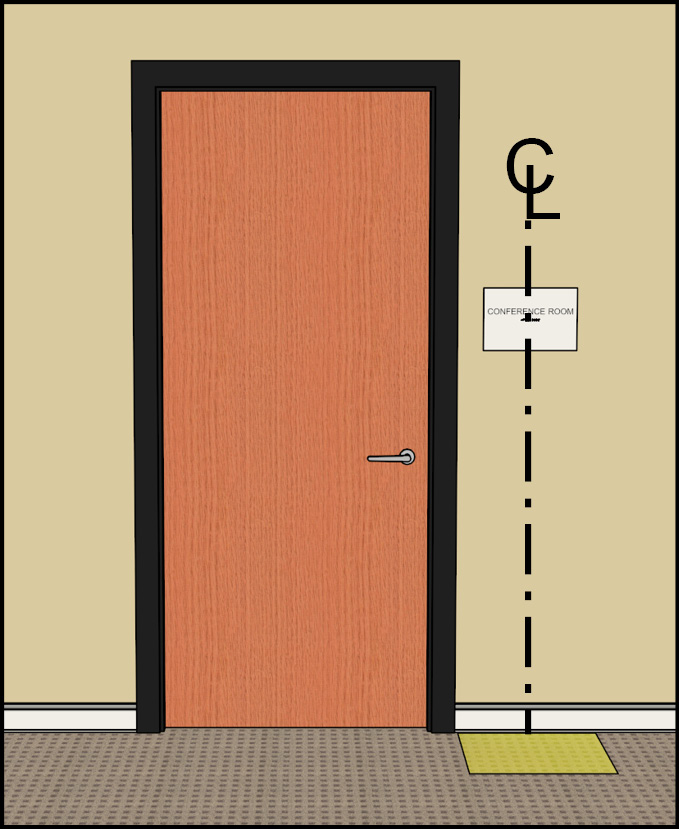
Mastering ADA Signage Requirements: A Complete Guide for Business Owners
Welcome to the world where every sign counts—not just for directions, but for accessibility too. At Parallax Digital, we understand that staying on top of ADA signage requirements is more than a legal checkbox; it’s about making sure everyone, regardless of their abilities, can navigate your space comfortably and safely.


Embracing ADA compliance isn’t just about avoiding penalties—it’s a chance to showcase your commitment to inclusivity, enhance customer satisfaction, and potentially expand your customer base. By integrating accessible design, your business not only meets legal standards but also welcomes a broader audience, making everyone feel valued and respected.
This guide is crafted especially for business owners who want to ensure their environments are welcoming to all. From the essential nuts and bolts of ADA compliance to the finesse of custom signage design, we’re diving into everything you need to know to keep your business accessible and on the right side of the law.
By the end of this guide, you’ll not only grasp the ins and outs of ADA signage requirements but also see how custom solutions can enhance both functionality and style in your space. So, let’s get started and make sure your signage does more than just stand out—it stands up for accessibility too!
Tactile ADA Compliant signage for Doorways.
Table of Contents


Make Sure You're ADA Compliant
Want to make sure your signage is accessible for all? Let us worry about the ADA signage requirements so you don't have to.
GET A FREE QUOTEUnderstanding ADA Signage Requirements
Navigating the guidelines of ADA signage can seem daunting at first, but with the right information, it becomes a straightforward part of your business operations. ADA signage is designed to aid navigation and provide necessary information to all individuals, particularly those with disabilities, ensuring that everyone has equal access to public and private spaces.
These foundational principles ensure that your signage is not only compliant but truly accessible. By following these guidelines, your business can create an environment that is welcoming and navigable for all customers, setting a standard for inclusivity and care.

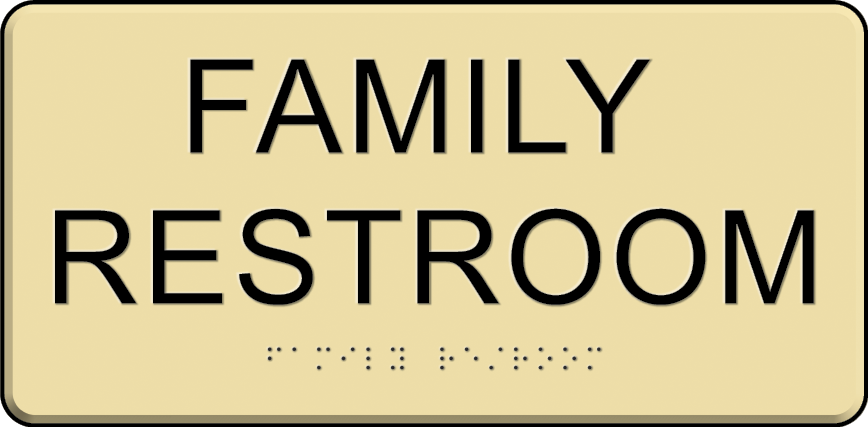
Dark on light contrast
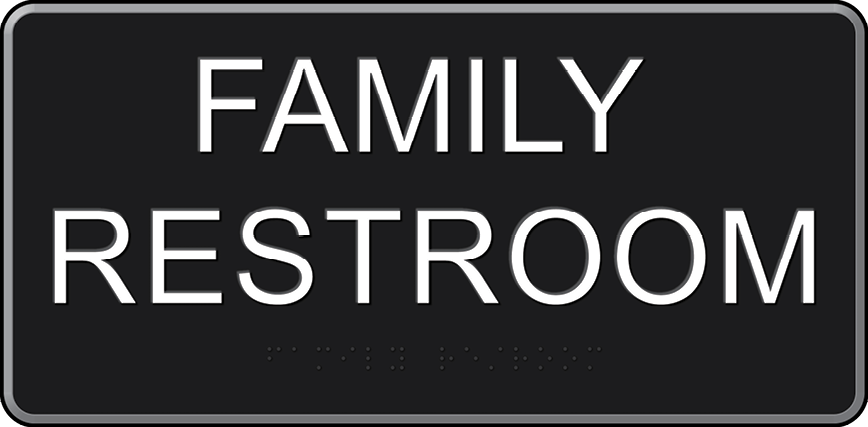
Light on dark contrast
Let Us Handle ADA Signage Requirements For You
Get a Free QuoteDetailed ADA Signage Requirements
Understanding the specifics of ADA signage regulations is key to ensuring that your signs not only meet legal standards but also serve their intended purpose effectively. Here we break down the crucial details that need to be considered when designing and installing ADA-compliant signage.
Keep in mind, ADA compliance encompasses a broader range of specifications depending on various factors, including the type of facility, the location of signs, and specific state or local regulations that might augment the federal guidelines. Think of these as the foundational or core requirements upon which your signage should be designed, they are by no means all of the regulations.
By paying close attention to these detailed requirements, you can ensure that your signage is both compliant and functional. Proper signage not only aids in navigation but also enhances safety and inclusivity within any facility.
It's important for you to consult the latest ADA Standards for Accessible Design and, if necessary, work with experts ( such as Parallax ) who specialize in ADA compliance to ensure that all aspects of their public signage meet federal, state, and local regulations. This comprehensive approach ensures not only legal compliance but also contributes significantly to the functionality and inclusivity of the environment.
Common Types of ADA Signage
ADA signage is not just about compliance; it's about communication.
Effective signage communicates necessary information to all guests, ensuring that those with disabilities are as informed and comfortable navigating your space as everyone else.
Here, we explore the common types of ADA-compliant signs, their purposes, and where they are typically used. Each type of sign serves a crucial role in creating a navigable and safe environment. By incorporating these signs into your business setting, you are not only adhering to legal requirements but are also enhancing the user experience, ensuring that your space is welcoming to everyone.
Directional and Wayfinding Signage
Purpose
These signs help all visitors understand how to navigate through your premises, pointing towards accessible routes, exits, elevators, and restrooms.
Common Uses
Hallways, near elevators, at major junctions within a building, and parking areas.
Example
A sign indicating the route to an exit.


Informational Signage
Purpose
These signs provide additional details about the facilities or services available, such as accessible features or business hours.
Common Uses
Entrances, service counters, and common areas where specific information needs to be communicated.
Example
A sign at a restaurant indicating accessible features.


Identification Signage
Purpose
To label permanent rooms and spaces, making it clear what each area is used for or who it is designated for.
Common Uses
Outside of permanent rooms like restrooms, office rooms, and suites.
Example
Braille and tactile text on a restroom sign, indicating it is accessible.
Emergency Information Signs
Purpose
To guide and inform during emergencies, ensuring that all occupants can safely find exits or refuge areas.
Common Uses
Along exit routes, in stairwells, and near main doors.
Example
Signs indicating the route to the nearest exit or assembly point in case of an emergency.


A 5-step process
Implementing ADA Signage Requirements in Your Business
Getting your signage up to ADA standards doesn't have to be a headache. With a systematic approach and the right partners, you can ensure your signs not only comply with the law but also enhance the overall accessibility of your space.
By taking these steps, you're not just following rules—you're actively making your business more welcoming and navigable for all visitors. It's about creating a space that everyone can appreciate, no matter their abilities.
Here’s how to get started:


Conduct an Accessibility Audit
What to do.
Begin with a thorough walkthrough of your premises to assess current signage. Look for visibility, reachability, and content compliance of existing signs. Don’t forget to check for any obstructed pathways or signs that are difficult to read due to poor lighting or faded colors.
Pro Tip.
Consider hiring an ADA consultant or a certified accessibility specialist to ensure no detail is overlooked. They can provide insights and recommendations that are tailored to your specific site and needs.
Plan Your ADA Signage Strategy
Map it out.
Identify key areas that require updated or new signage. This includes main entrances, restrooms, emergency exits, and public service areas. Create a signage map that outlines where each sign should go and what it should include.
Pro Tip. Use a mix of permanent and temporary signs during transitions or renovations to maintain compliance and guide visitors effectively.
Select the Right Materials and Designs
Materials Matter.
Choose materials that are durable, non-glare, and high-contrast to ensure long-lasting visibility and compliance. Metals, acrylics, and laminates are popular choices.
Design Wisely. Work with a signage designer who specializes in ADA-compliant products (like Parallax). They can help ensure that all signs meet the specific criteria for font, size, color contrast, and tactile elements.
Pro Tip. Custom designs can reflect your brand’s aesthetic while still being fully compliant. This adds a layer of personality to your space without compromising on accessibility.
Implement and Review
Installation.
Follow the ADA guidelines for installation heights and locations. Use professional installers familiar with ADA requirements to ensure signs are placed correctly.
Evaluation and Maintenance
Continuous Improvement.
After installation, conduct regular reviews of your signage as part of your maintenance routine. Look for opportunities to improve or correct signs that may have been damaged or have become less effective.


Legal Implications of Non-Compliance
Failing to comply with ADA signage requirements can lead to more than just a bad day; it can have serious legal and financial consequences for your business. Understanding these implications is crucial for maintaining not only accessibility but also your company’s reputation and bottom line.
Maintaining ADA compliance is an ongoing process that protects your business and supports your customers. By taking it seriously, you not only avoid legal pitfalls but also contribute to a more inclusive and accessible community.
We'd Love to Help You Stay ADA Compliant
GET A FREE QUOTEResources & Professional Help
Making sure your signage meets ADA standards might seem overwhelming, but you don't have to go it alone. There are plenty of resources and professional services available to help you ensure that your business is both compliant and welcoming to all customers.
By utilizing these resources and seeking professional help, you can simplify the process of becoming ADA compliant. This not only ensures that your business meets legal requirements but also demonstrates your commitment to accessibility, enhancing your reputation and customer experience.
We're Here to Help You Navigate ADA Signage Requirements!
Navigating ADA signage requirements may seem like a complex task, but with the right information and resources, it becomes an achievable goal. By understanding and implementing the guidelines we've discussed, you can make your business more accessible and inclusive, not just to comply with the law but to genuinely serve everyone who walks through your doors.
Remember, ADA compliance is an ongoing commitment that reflects your dedication to creating a welcoming environment for all customers, regardless of their abilities. It’s not only about avoiding legal repercussions but also about enhancing the customer experience and broadening your market reach.
Don't wait for a complaint or inspection to get your signage up to standard. Take proactive steps today to assess, plan, and execute your ADA signage strategy. If you're unsure where to start or need expert assistance, reach out to professionals who specialize in ADA-compliant signage. At [Your Company Name], we’re here to help you design and implement signage solutions that meet legal standards and align with your brand's aesthetics. Contact us today to ensure your signage is as inclusive as it is impressive.
We'd Love to Help You Stay ADA Compliant
GET A FREE QUOTERelated Topics
Get Even More Support from our Helpful Guides and Articles.