ADA Signage Height Requirements
Table of Contents
When it comes to ensuring accessibility in public spaces and businesses, ADA signage plays a critical role. These signs not only guide and inform but also empower individuals with disabilities by providing necessary navigational aids.
Among the various specifications outlined in the Americans with Disabilities Act (ADA), height requirements for signage hold particular importance.
Properly placed signs can significantly enhance the accessibility of a space, making it welcoming and navigable for everyone, including those with visual or mobility impairments.
In this article, we'll explore the ADA signage height requirements, shedding light on why they are pivotal for inclusivity and how businesses can implement these standards to ensure compliance and accessibility. Whether you are a business owner, facility manager, or designer, understanding these height regulations is essential to creating an environment that respects and facilitates the independence of all individuals.
Understanding ADA Signage Height Requirements
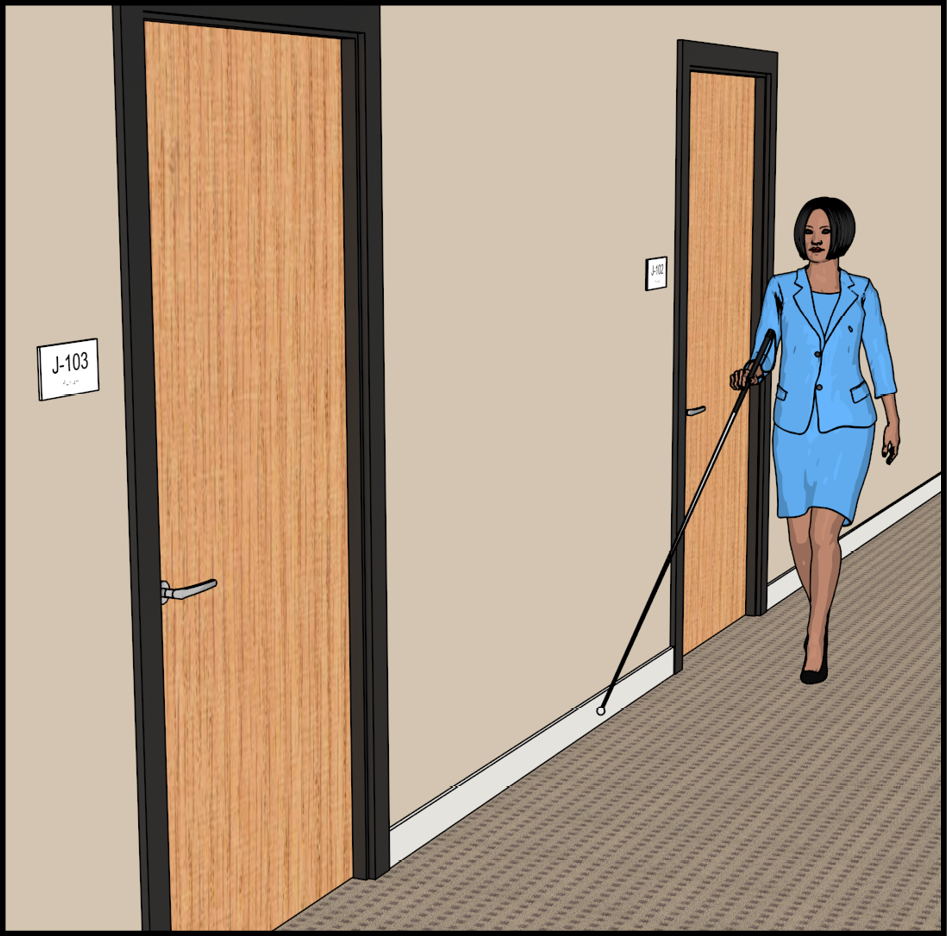
Navigating through a building comfortably and safely is something many of us take for granted. For individuals with disabilities, however, the correct placement of signage can make a world of difference. This is where ADA signage height requirements come into play, ensuring that signs are both visible and reachable for everyone, including those who use wheelchairs or have other mobility impairments.

General ADA Signage Height Requirements
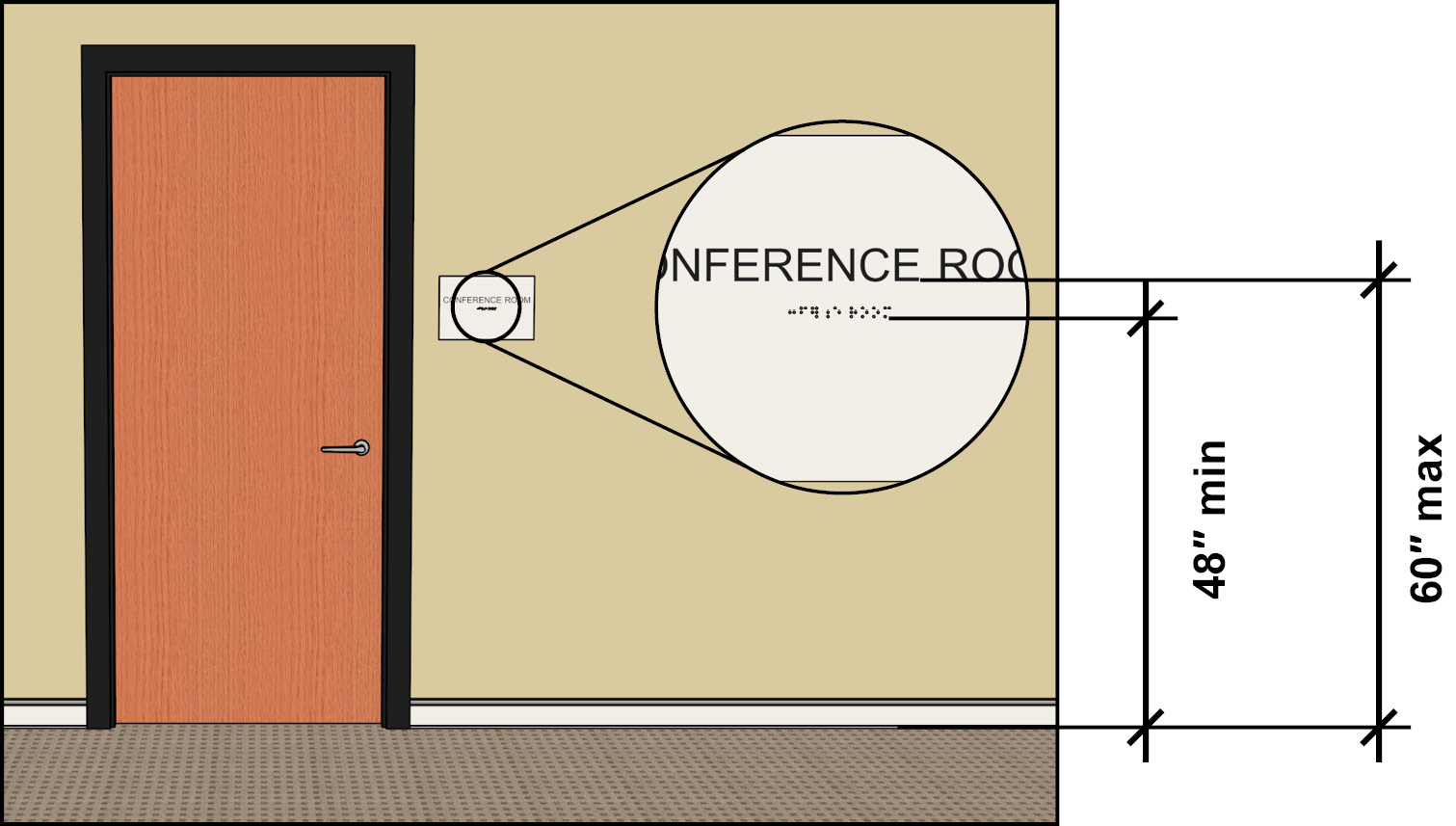
The ADA stipulates that signs with tactile characters (such as Braille or raised characters) must be installed at specific heights to be accessible:
- Minimum Height : The bottom of the lowest tactile character on the sign must be at least 48 inches above the floor.
- Maximum Height: The top of the highest tactile character should not exceed 60 inches from the floor.
These requirements are designed to make signs readable both by touch and by sight from a seated position, accommodating the eye level of seated individuals and those of shorter stature.
Rationale Behind ADA Signage Height Requirements
The height regulations serve a dual purpose: they ensure visibility for those who are standing and reachability for those who are seated or have limited reach. By standardizing the mounting height, the ADA aims to create a more consistent and navigable environment for people with visual and physical disabilities, reducing barriers and promoting inclusivity in all public spaces.These regulations apply to all types of ADA signs that require tactile characters, including those that identify rooms and spaces like restrooms, exits, and informational points within buildings.
Let Us Handle ADA Compliance For You!
Get a Free QuoteSpecific ADA Signage Height Requirements
While the general height requirements for ADA signage provide a solid foundation for accessibility, understanding the nuances for different types of signs can further enhance a space's usability. Here, we break down the specific height requirements tailored to various ADA signs to ensure that every sign serves its purpose effectively.
Tactile Signage
- Location : Tactile signs, which include Braille and raised characters, must be positioned adjacent to the door of the room or space they identify. For instance, a tactile sign for a restroom must be placed on the wall next to the door latch.
- Height Precision: As previously mentioned, the tactile characters should be between 48 and 60 inches off the floor. This precise placement ensures that someone in a wheelchair or with limited mobility can reach and read the sign without strain.
Directional and Informational Signs
- Flexible Placement : While these signs do not typically require tactile characters, their placement still needs careful consideration to ensure visibility and readability from various heights and angles.
- Recommended Height: Generally, placing these signs at a height of about 60 inches to the center of the sign ensures they are within the line of sight for both standing adults and wheelchair users.
Emergency Signs
- Critical Visibility : Signs indicating emergency exits or procedures must be clearly visible above obstructions and in areas that can be quickly and easily seen during an evacuation.
- Standard Height: These signs should also adhere to the 60-inch centerline rule, ensuring they are immediately noticeable in emergency situations.
By adhering to these specific height guidelines, businesses can ensure that their signage is not only compliant with ADA standards but also truly accessible and functional for all users, providing clear guidance and information in every necessary context.
Let Us Handle ADA Compliance For You!
Get a Free QuoteChallenges and Solutions
Implementing ADA signage height requirements can present challenges, particularly in older buildings or complex spaces where retrofitting is necessary. Here, we explore some common hurdles and offer solutions to help businesses ensure compliance smoothly and efficiently.
Common Challenges with ADA Signage Height Requirements
- Structural Limitations : Older buildings may have architectural features that make it difficult to place signs at the required heights or locations without obstructing pathways or doorways.
- Aesthetic Concerns: Some businesses struggle with integrating ADA signs into their interior design in a way that maintains both functionality and aesthetic appeal.
-
Updating Existing Signage: For businesses that are updating their spaces, ensuring that all existing signage meets current ADA standards can be a daunting task.
Practical Solutions
- Consulting with Professionals : Working with ADA consultants or specialized signage companies can provide tailored solutions that respect both the law and the building’s architectural integrity.
- Modular Sign Systems: Investing in modular sign systems that can be easily adjusted or repositioned can solve many issues related to fixed signage, allowing for flexibility in sign placement and height.
-
Phased Implementation: For extensive signage updates, considering a phased approach can help manage costs and disruptions. Start with the most critical areas, such as entrances and emergency exits, and gradually move to less critical areas.
-
Staff Training: Ensuring that staff are knowledgeable about the importance of ADA compliance and the specifics of signage placement can help maintain standards over time. Regular training sessions can keep everyone up-to-date on best practices and regulatory changes.
By addressing these challenges with well-thought-out strategies and solutions, businesses can overcome potential barriers to ADA compliance, enhancing accessibility while also meeting legal requirements.
While the journey to full compliance can present challenges, the solutions are readily available. Whether through professional consultations, strategic planning, or leveraging modern signage solutions, every business has the ability to create an environment that welcomes everyone. Remember, accessibility improvements are not just accommodations; they are enhancements that benefit all users by creating a more navigable and understandable space.
Take the step today to review your signage and make the necessary adjustments. Your efforts will not only ensure compliance but also demonstrate your business's commitment to providing a welcoming and accessible environment for every customer.
Let Us Handle ADA Compliance For You!
Get a Free QuoteRelated Topics
Get Even More Support from our Helpful Guides and Articles.